
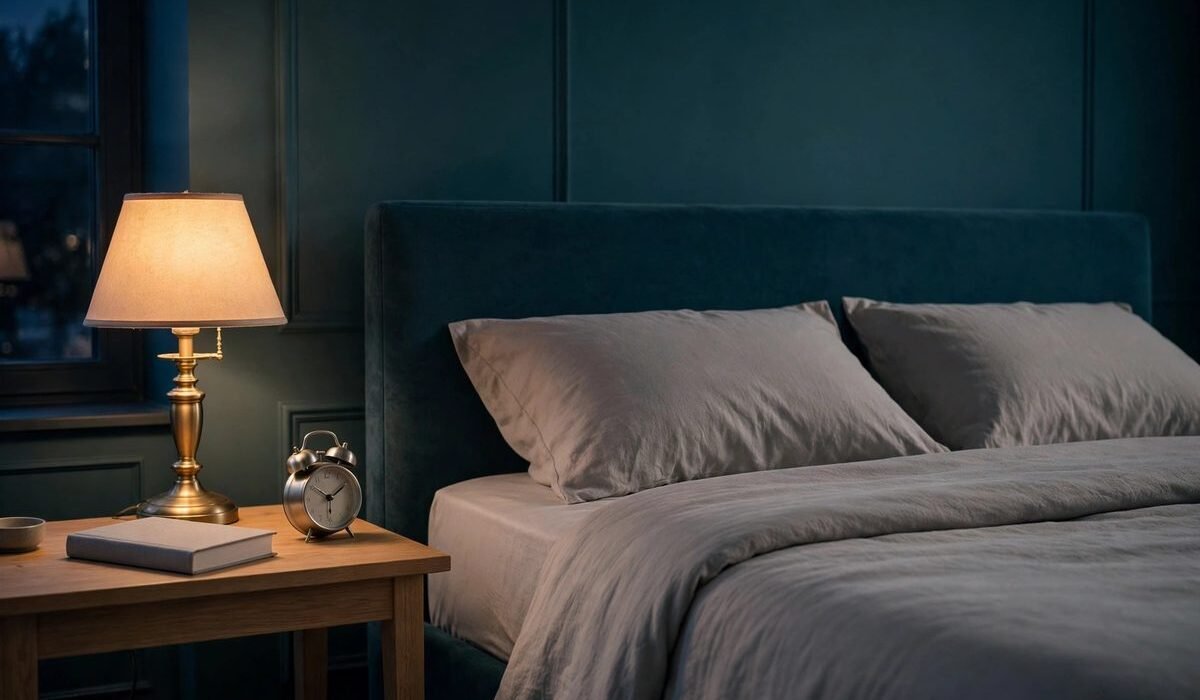
Better sleep habits are built during the whole day, not only in the last ten minutes before bed. The good news is that most of the habits that help are simple, free, and within reach on an ordinary weekday.
This guide walks through what sleep does for the body, how much sleep most adults need, and a practical night routine you can shape around your own life. It also covers the common habits that quietly wreck sleep, and when poor sleep deserves a medical conversation.
You do not need to change everything at once. Pick two or three habits, keep them steady for a few weeks, and notice what changes in your energy, mood, and focus.
Why sleep matters more than it feels
Sleep is not wasted time. During sleep the brain sorts and stores memories, the body repairs tissue, and systems that control appetite, blood pressure, and blood sugar reset for the next day.
Poor sleep shows up quickly. One rough night can dull concentration and patience, and a long run of short nights is linked with higher risk of weight gain, diabetes, heart problems, and low mood.
The Centers for Disease Control and Prevention explains on its About Sleep page that most adults need at least seven hours of sleep each night, and that regular, good quality sleep is a core part of health. That page also notes that about one in three adults in the United States reports sleeping less than that.
Knowing the target matters, because many people have slowly accepted six hours as normal. Feeling used to short sleep is not the same as being rested by it.
Keep a steady wake time first
If you change only one thing, make it a steady wake up time. A regular morning anchor pulls your whole sleep and wake cycle into line more powerfully than a strict bedtime does.
Your body clock runs on rhythm. When you wake at the same time each day, including weekends, sleepiness tends to arrive at a more predictable time in the evening.
Big weekend lie ins feel good, but they can shift your clock later and make Sunday night and Monday morning miserable. If you need catch up sleep, a short early afternoon nap is usually kinder to the rhythm.
Morning light is the partner habit. Daylight soon after waking tells your clock that the day has started, which helps melatonin rise at the right time in the evening.
Build a wind down routine
A wind down routine is a bridge between a busy day and sleep. Thirty to sixty minutes of calmer activity tells your body and mind that the pace is changing.
Choose steps you actually enjoy, because a routine you dislike will not last. Many people use a warm shower, changing into sleep clothes, a short stretch, a paper book, or quiet music.
Keep the sequence similar each night. Repetition is the point, because your brain learns to link those steps with sleepiness in the same way it links the smell of coffee with morning.
Write down anything that is circling in your head. A short list for tomorrow, kept on paper by the bed, can stop your mind from rehearsing tasks at two in the morning.
Light, screens, and the bedroom
Light is the strongest signal for your body clock, and bright light late in the evening pushes sleep later. Dimming household lights in the last hour before bed helps more than most people expect.
Screens add two problems at once: light close to the eyes, and content that keeps the mind alert. News, arguments, and work messages are poor last inputs for a brain you are asking to switch off.
If you do use a phone or tablet in the evening, lower the brightness, use night settings, and set a clear stopping point. Charging the phone outside the bedroom, or across the room, removes the temptation to scroll in bed.
Keep the bedroom cool, dark, and quiet where you can. Blackout curtains, an eye mask, or earplugs are simple tools, and they often beat expensive gadgets.
Reserve the bed mainly for sleep. Working, worrying, and watching long programmes in bed teach the brain that bed is a place for alertness rather than rest.
Food, drink, and timing
Caffeine stays in the body for hours. Many people sleep better when they stop coffee, strong tea, cola, and energy drinks by early afternoon, even if they can fall asleep after drinking them in the evening.
Falling asleep is only part of the picture. Caffeine and alcohol can both make sleep lighter and more broken, even when the total hours look fine.
Alcohol deserves a special mention. A nightcap can feel relaxing, but as it wears off, sleep often becomes restless, with more waking in the second half of the night.
Heavy meals close to bedtime can cause discomfort and reflux, while going to bed hungry is also distracting. A light snack is fine if you need one. Large amounts of fluid late in the evening can mean extra trips to the bathroom.
Movement during the day
Regular daytime activity is one of the most reliable sleep aids there is. People who move more during the day tend to fall asleep more easily and sleep more deeply.
You do not need intense training. A daily walk, household work, gardening, and taking stairs all count toward a body that is pleasantly tired by evening. Our guide to walking for health explains how much walking adults are advised to aim for.
Timing matters a little. Vigorous exercise very close to bedtime leaves some people too stimulated to settle, so finishing workouts at least an hour or two before bed suits most people.
Daytime naps need care. A short nap of around twenty to thirty minutes, taken early in the afternoon, can refresh you. Long or late naps steal sleepiness from the night.
Stress, worry, and the racing mind
A racing mind is one of the most common reasons people lie awake. The day is finally quiet, and every unfinished task and awkward conversation arrives at once.
This is one place where sleep and mental health meet. Long term stress keeps the body in a state of alert that is the opposite of sleep, and our guide to stress and the body looks at that pattern in detail.
Practical tools help. A worry list written before the wind down, slow breathing, and a regular relaxation practice can lower the volume. Some people find that reserving a set time earlier in the evening for problem solving keeps the night clearer.
If you have been awake for a long while and feel frustrated, get up for a short time. Read something calm in low light until you feel sleepy, then return to bed. Lying there getting angry at yourself only builds a link between bed and struggle.
Headaches can also disturb nights, and poor sleep can trigger them in return. If that cycle sounds familiar, our comparison of migraine versus tension headache may help you describe the pattern to a clinician.
What good sleep hygiene cannot fix
Sleep habits help a great deal, but they are not the answer to everything. Loud snoring, pauses in breathing during sleep, gasping, or severe daytime sleepiness can point to sleep apnea, which needs medical assessment.
Restless legs, frequent waking to pass urine, chronic pain, and some medicines can all break sleep. So can depression and anxiety, which deserve care in their own right.
The National Institute of Neurological Disorders and Stroke offers a clear introduction in Brain Basics, Understanding Sleep, which explains sleep stages and why disorders such as apnea and insomnia need proper evaluation. MedlinePlus also gathers the main conditions on its Sleep Disorders topic page.
If poor sleep lasts for months, or daytime sleepiness affects driving, work, or safety, speak with a clinician rather than simply trying harder at routines.
A sample evening, in words
Here is one ordinary example, which you can shift to fit your own schedule. Finish work and take a short walk in daylight or early evening light, then eat dinner at a regular time.
In the last hour of the evening, lower the lights, put the phone to charge away from the bed, and take a warm shower. Change into sleep clothes, write tomorrow list on paper, and read a book for a while.
Get into bed at roughly the same time each night, in a cool, dark room. Wake at the same time in the morning, open the curtains, and get light and movement early.
No single evening needs to be perfect. Sleep improves from the average of many nights, not from one ideal routine performed once.
Weekends, travel, and getting back on track
Sleep routines are easiest to keep on ordinary weeks, and life is not made of ordinary weeks. Travel, holidays, visitors, deadlines, and illness all knock the pattern sideways, and that is normal rather than a failure.
After travel across time zones, light is your main tool. Get daylight at the right end of the day for your new location, keep naps short, and expect two or three days of adjustment rather than one perfect night.
After a rough patch at home, resist the urge to sleep in for hours to recover. Return to your usual wake time, get morning light, and let sleepiness rebuild naturally across the day.
One bad night does not need fixing at all. The habits work across weeks, and treating a single poor night as a problem often creates more worry than the night itself caused.
Sleep at different ages
Sleep needs and patterns shift across life. Younger adults often run late schedules and feel the pull of screens and social life into the small hours, so the main work is protecting a realistic total and a steadier wake time.
In middle age, work, children, snoring partners, and early waking all compete. Many people in this stage find that the wind down and the phone boundary make the biggest difference.
Older adults often sleep more lightly, wake earlier, and nap more readily, and that can still be healthy sleep. What matters is daytime alertness and total rest across the day, not matching the sleep of a twenty year old.
Medicines, pain, and medical conditions play a bigger role with age as well. If sleep changes suddenly in later life, it deserves a review rather than being written off as just getting older.
Partners and parents face extra challenges. A snoring partner, a baby waking at night, or a child with bad dreams can fragment sleep for the whole household, and solving those problems together, with earplugs, shared night duties, or separate blankets, is a legitimate part of sleep hygiene rather than a luxury.
Frequently asked questions
How long does it take for better sleep habits to work?
Many people notice a difference within one to two weeks of steady wake times and a calmer last hour. Deeper improvements can take a month, because the body clock adjusts gradually rather than overnight.
Is it bad to read or watch something in bed?
Calm reading in low light is fine for many people and can be part of a wind down. Bright screens, exciting content, work, and long programmes in bed are more likely to keep the brain alert.
Should I take melatonin or other sleep aids?
Sleep aids are a personal medical decision, and this guide does not recommend specific products. If you are considering any sleep medicine or supplement, discuss it with a clinician or pharmacist, especially if you take other medicines.
What if I work night shifts?
Shift workers need the same anchors, applied to their own schedule: a protected main sleep block, dark and quiet daytime sleeping conditions, planned light exposure, and consistent timing where the rota allows. A clinician or occupational health service can help tailor a plan.


1 comment